
Saman, an eco-friendly and very Colombian project in Paris

Author: Saman
Paris, November 2020.
Parisian fashion is striking at first glance, not only the haute couture that adorns the stars of the city's most central districts, but also urban fashion accessible to ordinary society.
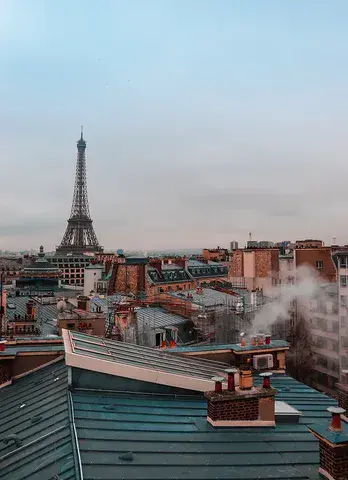
Former industrial neighborhoods in Paris are now emerging as new hubs of creativity, youth, and an exciting dynamic for innovation. The 11th arrondissement stands out for its energy and the ecological responsibility of its shops and bars. It was precisely in this neighborhood that we began our story in Paris and found inspiration in the streets to create a product that conveys all the energy of Paris and Colombian color.
After 23 years living and traveling in Colombia, Juan David decided to study in Europe, where he discovered the vast difference in quality of life between European and Latin American citizens; even people with fewer economic resources can access an apartment with minimal comfort conditions, something unthinkable in Colombia.
This impact sowed a seed in our ideas for 3 years. We decided to look for a project that would empower the local Colombian industry and improve the quality of life for farmers and urban dwellers.
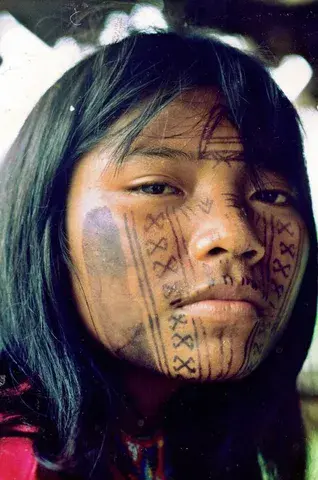
Displaced indigenous people, disappearances, lack of education, violence, and everything that darkens the beauty of our landscapes is an open wound that we want to help heal by joining common projects.
Walking through the streets of Paris, seeing its art galleries, markets, and organic shops, Haussmannian buildings, the baroque decoration of churches, and hearing the sirens that accompany the city's rhythm. All this, combined with the terraces of Parisian cafes and the relaxed style of its youth, allowed us to discover a growing culture of eco-responsible sneakers in Europe.
Brands like SAYE, FLAMINGO, ZETA, VEJA, COMOVITA, among others, are brands created in Central Europe. Barcelona, Paris, and Rome are the centers for the creation of these sustainable concepts where a product is designed and then produced, in most cases, in Portugal from recycled, organic, or vegan materials.
These brands are merely a reflection of the environmental awareness of European youth and governmental support for eco-sustainable initiatives. For us, this was like a revelation.
Awakening the environmental consciousness of young Colombians through such an emblematic product as sneakers, and producing them with Colombian hands, based on vegan and organic materials grown in Colombia, is a unique opportunity to unite projects that we could not waste.
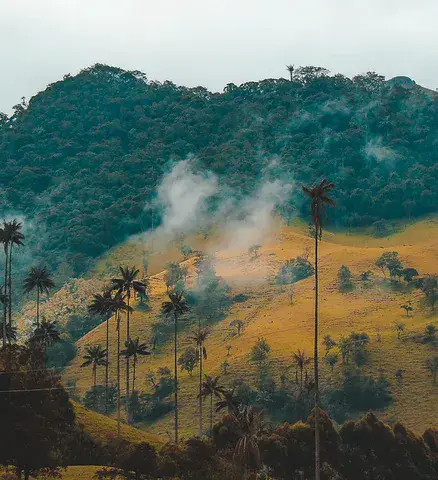
We decided to join projects. We contacted a genius in Antioquia who decided to patent the production of leather from fique leaves, some experts in Bogotá who recycle rubber from tires for reuse, a highly experienced team in Cali that uses regenerated cotton to make laces, and even a master in producing boxes from sugarcane bagasse.
We contacted a very Colombian manufacturing team that takes care of putting all their love into the final product. This team provides employment to young people from troubled neighborhoods in eastern Cali and gives single mothers the opportunity to return to work.
Only a name was missing...
We are music lovers, and our Franco-Colombian roots could not be denied, coming from the country with the most musical rhythms in the world. Bambuco, joropo, currulao, and vallenato are so diverse that they cannot be framed in a single concept. But in the Baroque era, a concept was born that encompassed many musical forms. The sonata, the union of sweet notes that accompany the heart's rhythm, which increase pressure and awaken the senses.
This is Saman's story...
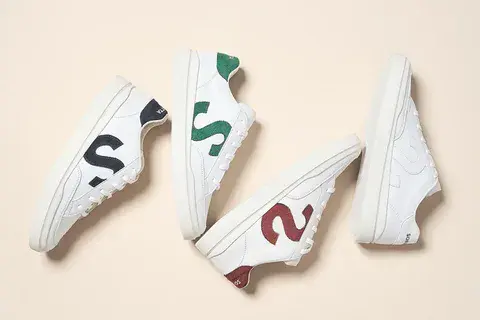
Sonatta is Saman's first design, inspired by the fashion and culture of Paris's 11th arrondissement. The artistic dynamism and youthful energy make these sneakers more of an experience than a product.
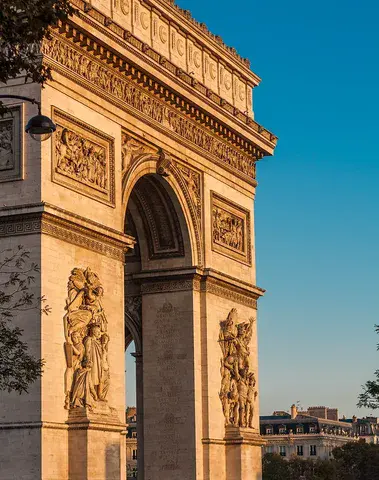
Paris is a metropolis full of cultural richness that reached every corner of Saman's designers, a richness that today is expressed in the comfort and good taste of classic sneakers.
But the story of the first Saman model doesn't end there. Young people like you and us participated in its refinement during several sessions. We innovated with a public creative process to ensure that you will love our designs. Created by you, for you.
The «S»
A touch of minimalism and neatness makes the letter S stand out on the side of the shoe. The S represents the perfection of life. Unlike the circle and infinity, symbols that represent natural cycles, the S represents the zigzag of our decisions, changes, and our capacity as humanity to adapt.
Features:
- Made in Colombia
- Sustainable
- Responsible
The spirit of SAMAN is to drastically reduce environmental impact, boost local industry, and uphold human rights, replacing traditional sneakers produced from polluting materials with a responsible, sustainable, and ethically handmade product in Colombia.
We unite spectacular projects:
_________________________________________
MATERIALS
Vegan leather made from fique
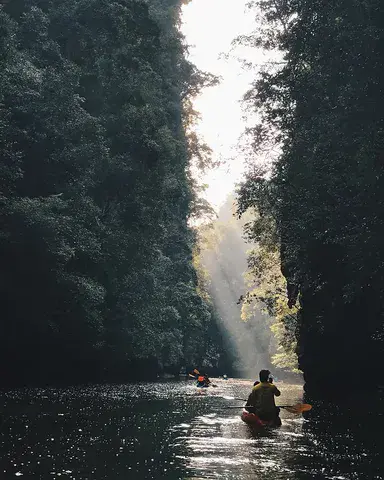
We use vegetable leather created from fique. We do not use materials derived from animals.
Fashion is the second most polluting activity in the world. Dyes and polyesters are used to reduce costs and replace leather, but these are highly polluting processes.
Colombia is the world's main producer of fique, but only 4% of the plant is utilized. The long fibers of the plant are usually used to produce coffee sacks. Vegan leather is made from short fibers.
Reduction of environmental impact:
- A cow produces 8625 kg of CO2 per year.
- The fique plant has the opposite effect. It absorbs 7.5 kg of CO2 per year and converts it into oxygen.
- Unlike cotton, the fourth most water-intensive crop, fique requires so little that it can be maintained by natural irrigation.
- One ton of fique requires 90% less energy than one ton of polyester or polypropylene.
This is an innovation patented by a Colombian, and its production will take place in Itagüí.
Furthermore, the crops are usually located in areas of the country where hectares of illicit crops are being replaced.
Natural and reused rubber from discarded tires
The east of Colombia is one of the most important sources of natural rubber in Latin America. In departments like Meta, Vichada, and Santander, high-quality natural rubber is produced, replacing highly polluting materials such as Expanded PVC, one of the most commonly used materials in footwear today.
On the other hand, one of the 10 largest environmental problems in the world is the disposal of solid waste like tires. They are often burned or discarded in the streets. This, of course, generates social problems such as mosquito-borne diseases (yellow fever, dengue) and environmental problems such as high levels of atmospheric pollution.
Very soon, for our black models, we will use recycled rubber from recycled tires to create our soles.
Reduction of environmental impact:
- 90 million cars are sold annually worldwide
- And with them 360 million tires, not counting spares.
- A tire takes 500 years to degrade.
- Only 20% of tires are recycled in Latin America.
- Reduction of polluting gases from incineration.
Laces made from regenerated cotton
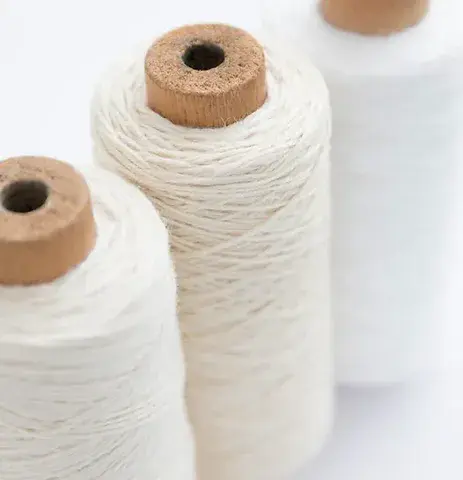
SAMAN sneakers come with an alternative to conventional cotton. Cotton is recycled by classifying materials by color. Then, the fabric is shredded until raw fiber is obtained. Finally, it is spun again to be reused in new garments.
This is an environmentally friendly recycling process as no new cotton is used.
Reduction of environmental impact:
- Water saving in production.
- Reduction of CO2 emissions.
- Decrease in monoculture and fertilizers.
Furthermore, the laces are produced in Comuna 22 of the city of Cali. We support local industry to reduce CO2 emitted during transportation.
And since every detail is important...
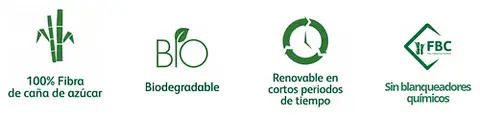
Cardboard made from sugarcane bagasse
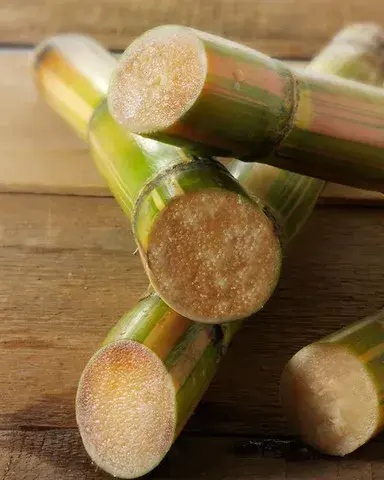
Your first contact with your SAMAN sneakers will be with a natural material, chemical-free, and above all, waste-based.
Our box is made 100% from sugarcane fibers extracted from bagasse, or the leftover material from this industry.
- Biodegradable
- Renewable in short periods
- Without chemical bleaching
And if that weren't enough, our boxes are made by Caleños who own a very traditional and responsible company with their workers in the San Nicolás neighborhood.
-----------------------------------------------------------------------------------------Thank you for believing in Colombian industry and for reducing your environmental impact. ------------------------------------------------------------------------------------------


Comments (0)
Leave a comment